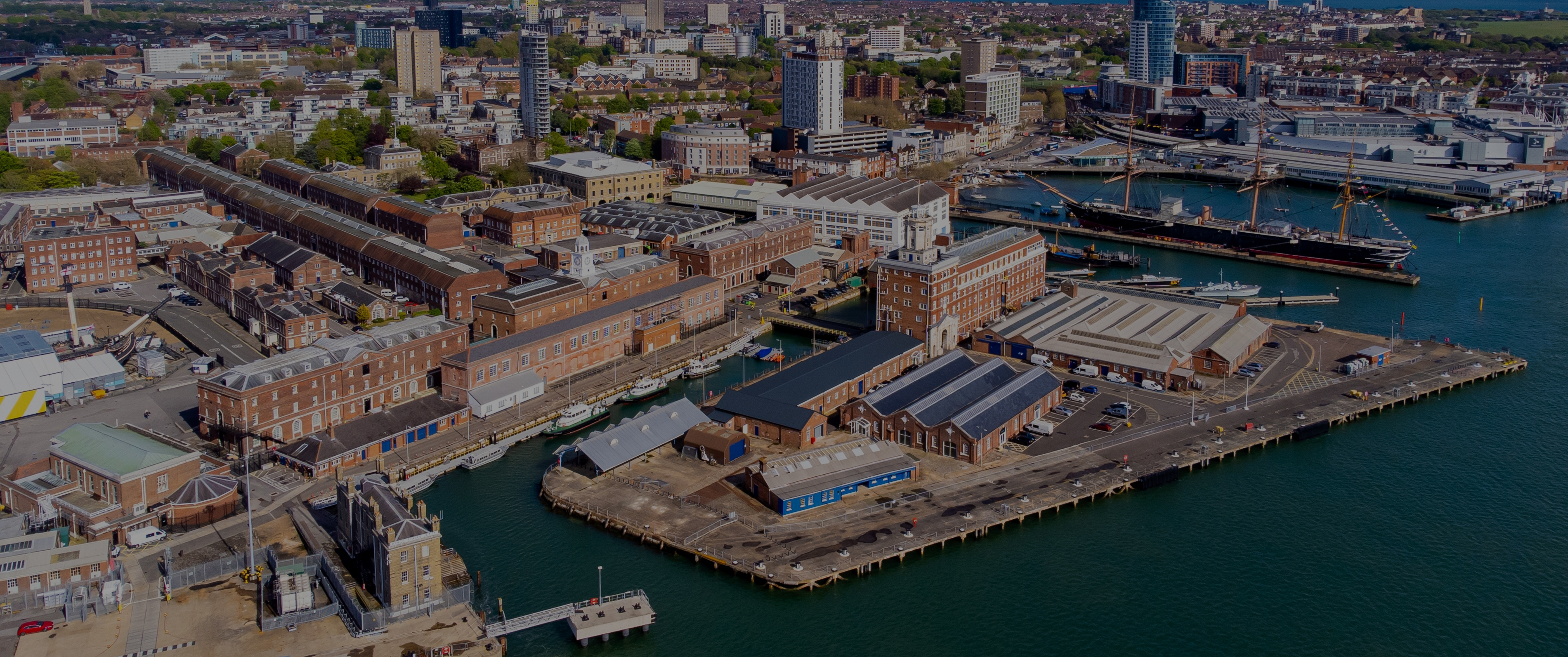
Portsmouth Historic Quarter
Fire Occupancy Survey
Challenge
Portsmouth Historic Quarter, home to renowned naval attractions such as HMS Victory, HMS Warrior, and the Mary Rose Museum, also features a range of historic buildings repurposed for modern use, including events, exhibitions, dining, and education. The client required a comprehensive assessment to determine the maximum fire occupancy limits for several diverse spaces across the site.
The complexity of the project lay in assessing a mix of internal and external spaces with varied functions, such as restaurants, classrooms, and event areas, while ensuring compliance with BS9999 and Building Regulations, all within a heritage setting and with limited up-to-date floor plans available.
Solution
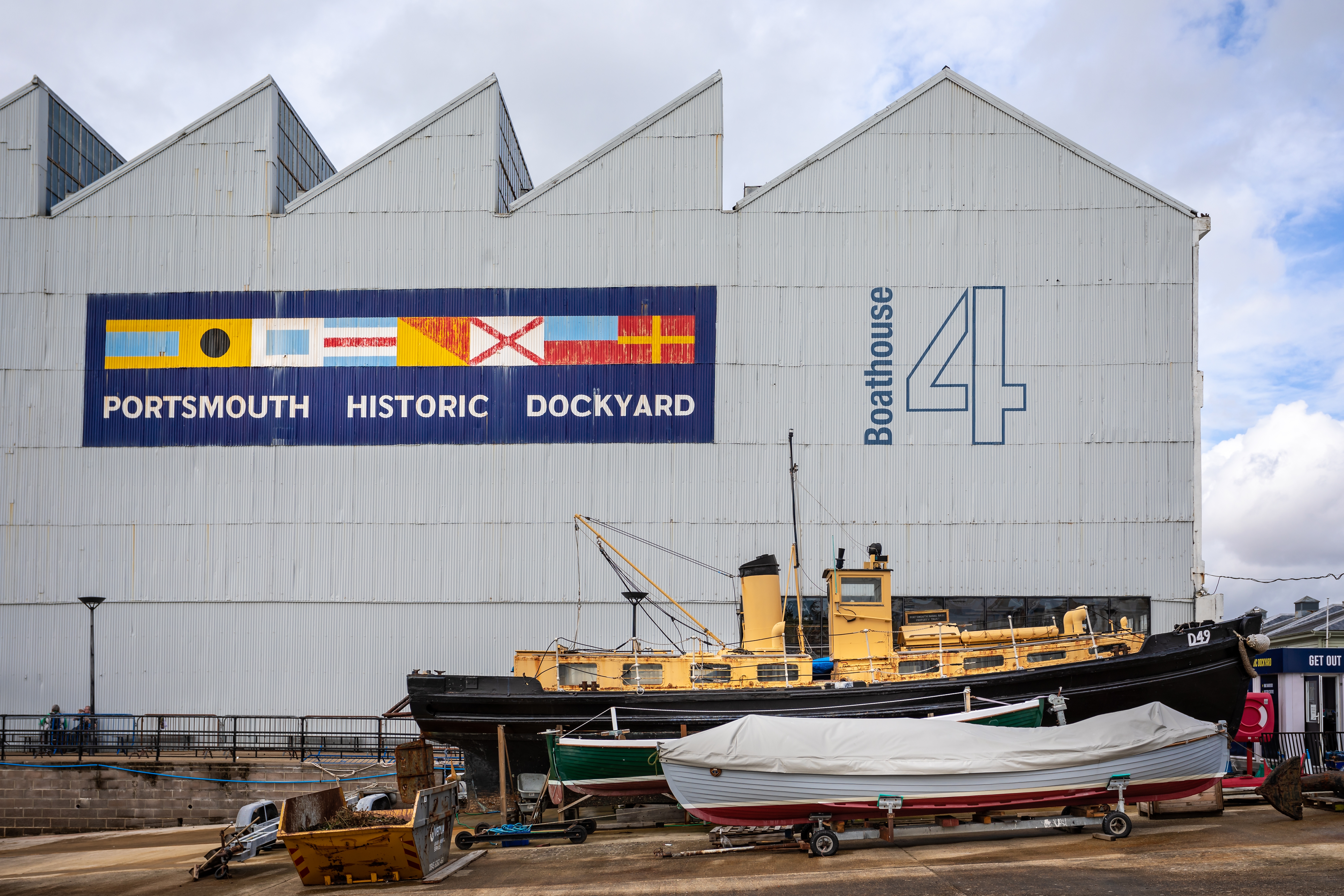
The project required a comprehensive Fire Occupancy Survey across eight areas at Portsmouth Historic Quarter, including Boathouses 4–7, Storehouse 9, Porters Lodge, and the Starboard and Port Arenas.
Sircle’s approach combined desktop analysis with follow-up site visits by one of our experienced FRAS-certified assessors to verify escape routes, exit widths, and room usage. This dual-method ensured accurate, site-specific results, especially important in a heritage environment with varied building functions.
Occupancy limits were calculated in accordance with BS9999, Approved Document B, and government fire safety guidance. Both existing and proposed uses were assessed, with capacity based on floor space, exit availability, and usage type. Where relevant, fixed seating and comparable venue data informed the analysis.
While some providers may use desktop assessments or generalised models, our approach takes it a step further. We incorporate real site conditions and current usage data to deliver results that are accurate and tailored to the specific context. This ensures full compliance without compromising on practical usability.
Final outputs were delivered in a clear Excel format, supporting safe planning and future decision-making.

Outcome
The client received a clear, compliant, and risk-informed set of fire occupancy limits across all buildings and external areas in scope. Key outcomes included:
- Confidence in space planning, with the ability to make informed decisions around room usage, event capacity, and emergency planning.
- Improved safety assurance for staff, visitors, and event attendees through precise occupant limits.
- Cost efficiency. Predictive insights support better resource allocation, helping to avoid unplanned maintenance costs.
- Regulatory compliance with relevant fire safety standards and building regulations.